The Origins of Drayton Hall
From Andrea Palladio to William Kent
When 23-year-old John Drayton decided to have a house built, he looked not only to his Lowcountry surroundings for inspiration, but also to design books that were fashionable in England at that time.
Of particular interest was The Four Books of Architecture, a collection of designs created 168 years earlier by an Italian architect named Andrea Palladio. This collection was Palladio's attempt to document the architecture of classical Rome and to interpret the writings of the ancient Roman architect, Vitruvius, so that architects of the Italian Renaissance could apply the concepts of classical proportion and decoration to their buildings.
The Four Books of Architecture was immensely influential and was first translated into English in 1715. While it is possible John Drayton owned a copy himself, it is documented that a translation dating to 1737-1738 found its way to Charleston in the collection of Henry Middleton, who established Middleton Place plantation, just a few miles north of Drayton Hall along the Ashley River. It is likely that John had access to that and other popular architectural pattern books, such as William Kent's Designs of Inigo Jones.
![]() |
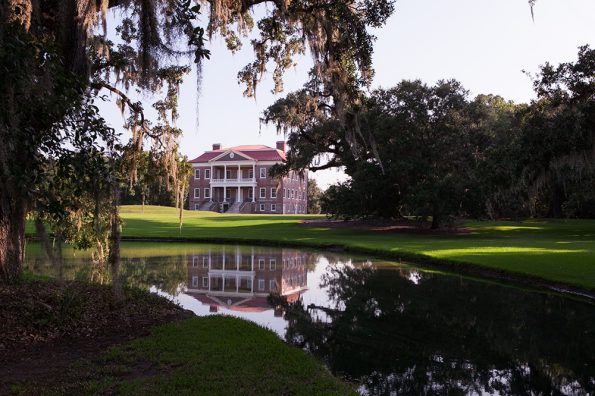
Inspired by PalladioWhen John Drayton had Drayton Hall built, he followed many of the rules of architecture set forth in Andrea Palladio's Four Books of Architecture. Here you'll learn more about which features make Drayton Hall such a fine example of Palladian architecture.Learn More |
![]() |
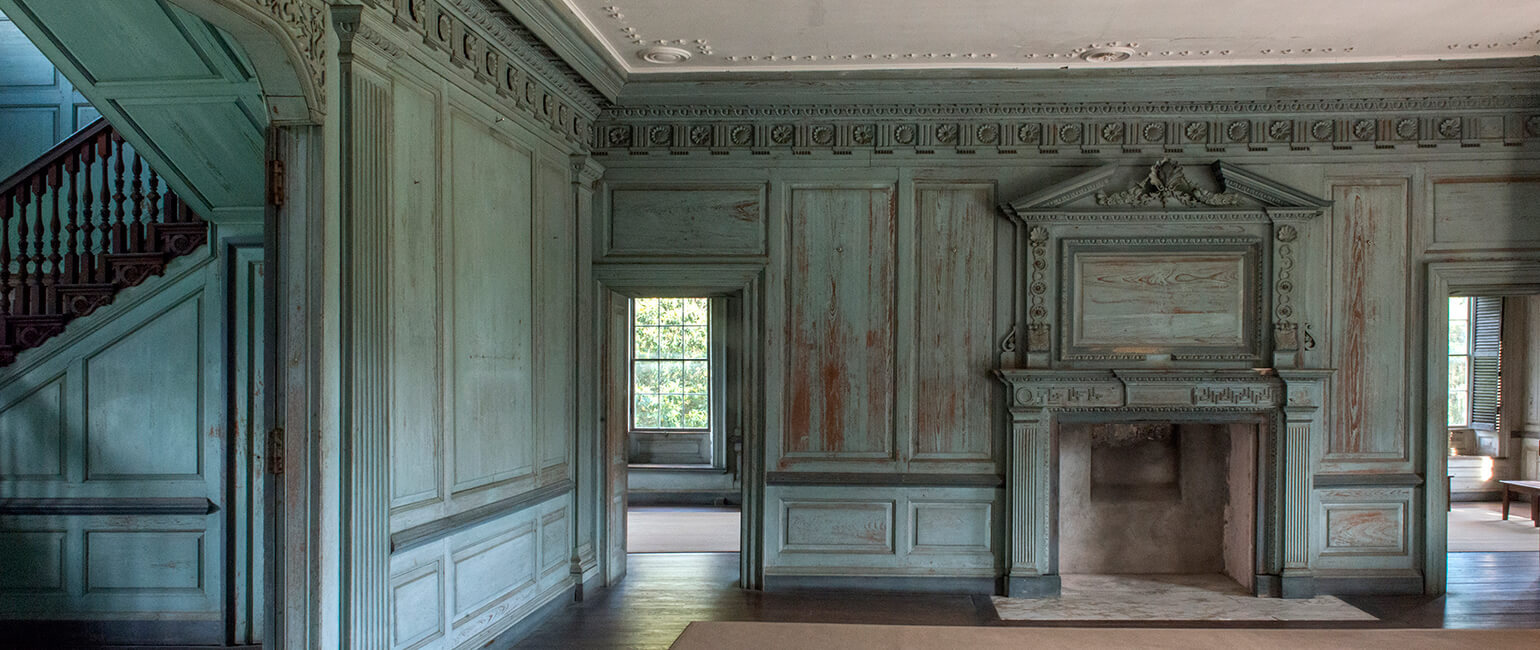
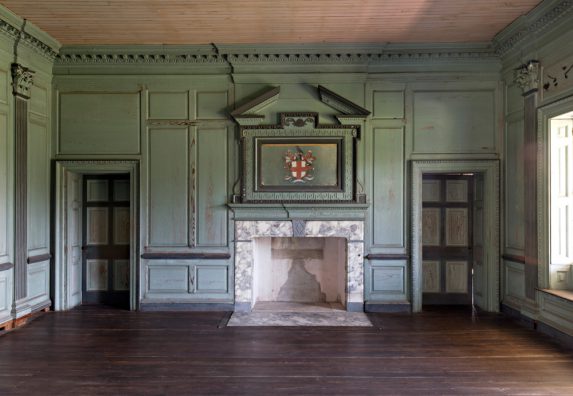
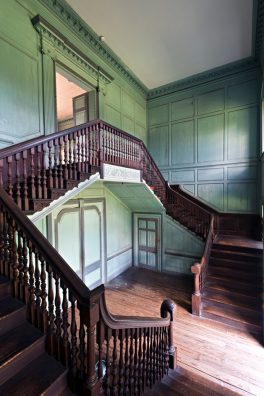
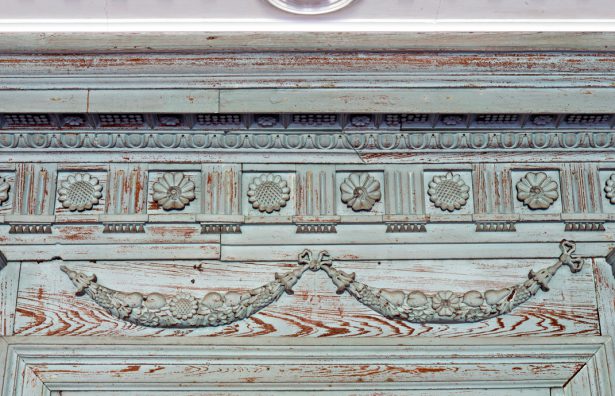
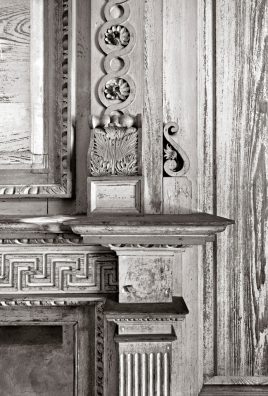
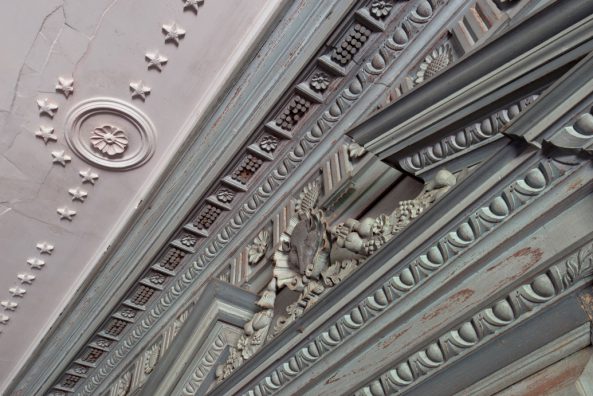
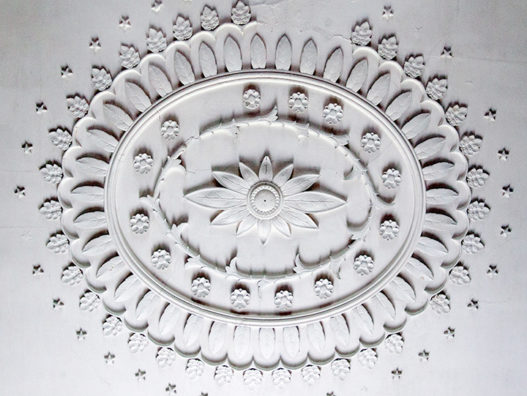
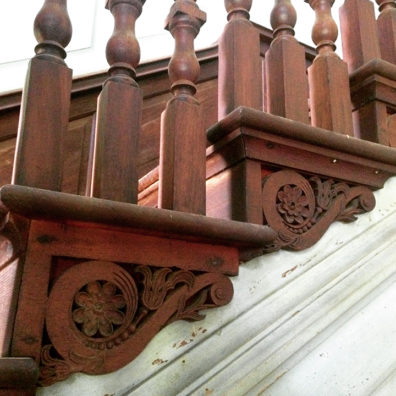
A Peek into Drayton Hall's RoomsStep inside Drayton Hall's main house. Compare the capitals on the pilasters in the great hall, withdrawing room, and upper great hall. Discover how the entertaining spaces differed from the Drayton family's private rooms. Look closely at the hand-carved poplar and mahogany that adorn its rooms. Discover for yourself what makes Drayton Hall an architectural masterpiece.Learn More |